amanda curreri / andy ness
liber floridus
March 13 - april 24, 2026
EVENTS
ARTISTS’ RECEPTION
Friday, April 10, 6:30 pm - 8:30 pm
Wege Gallery
GALLERY TALKS WITH AMANDA CURRERI & ANDY NESS
Saturday, April 11, 10:00 am - 11:30 am
Wege Gallery
WEEKEND / HOLIDAY HOURS
Open Saturdays, 10:00 am - 4:00 pm
Andy Ness
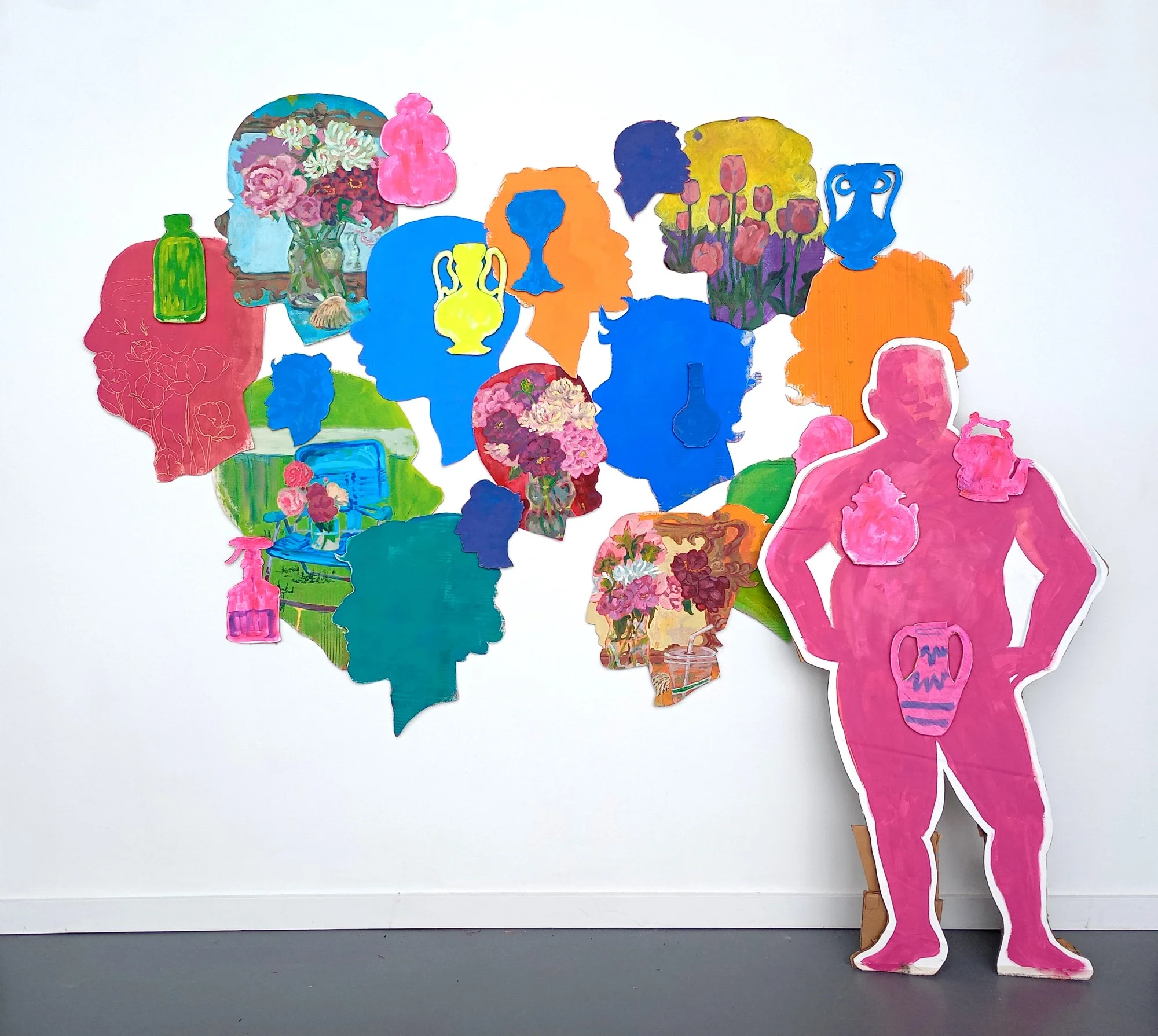
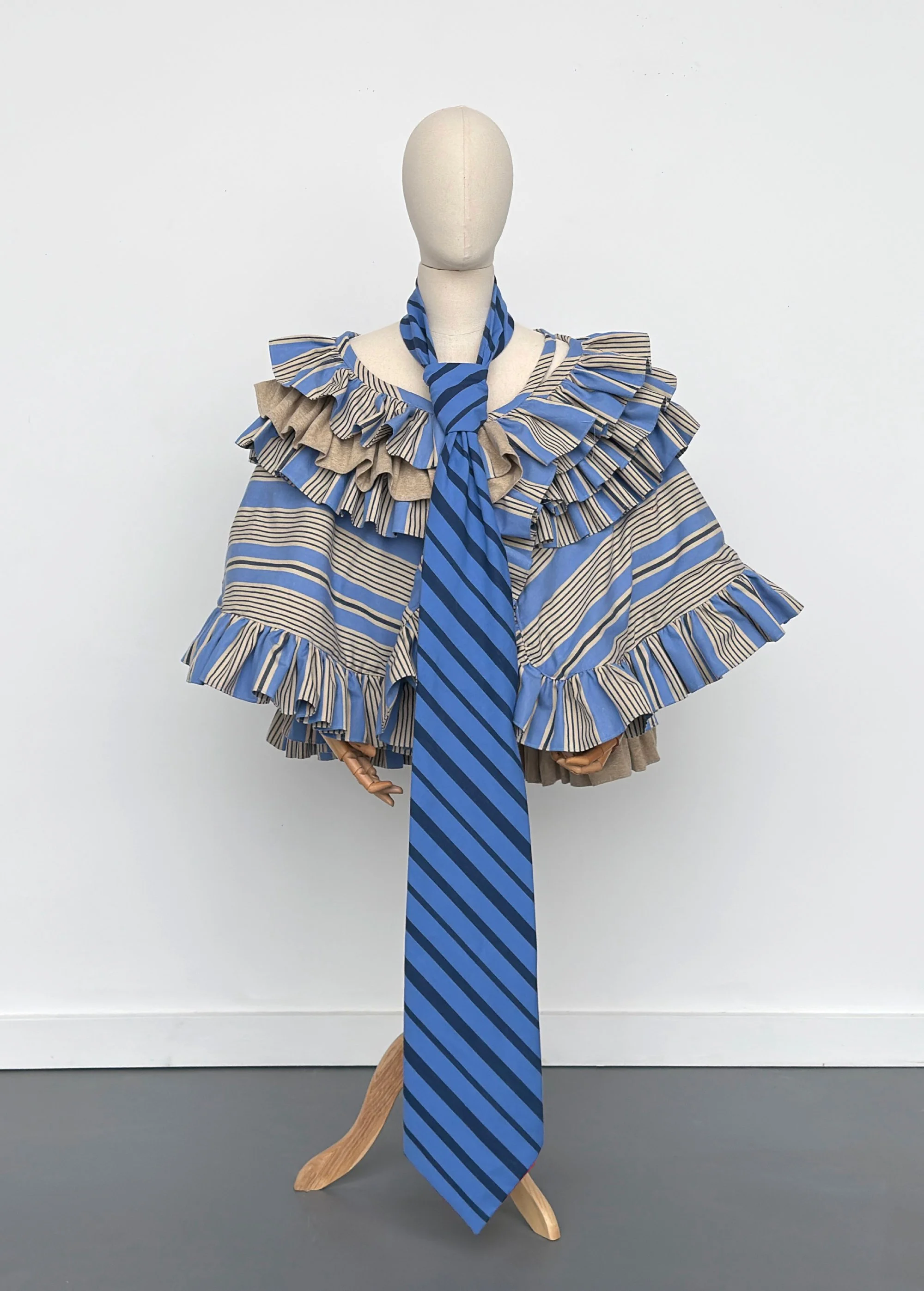
The Wege Gallery presents Liber Floridus with Amanda Curreri and Andy Ness. Featuring woven and textile-based works by Curreri and multimedia works on paper by Ness, the exhibition presents a compendium of the artists’ visual lexicons that include symbols, imagery and pattern rich with personal significance.
The exhibition draws inspiration from the Liber Floridus or “Book of Flowers,” a medieval encyclopedia created in Northern France between the 11th and 12th centuries with contents that span geography, mathematics, natural history, astronomy and countless other subjects. Known to be one of the earliest encyclopedias, its marriage of detailed illustrations and text intertwined spiritual knowledge with that of the natural world.
In Liber Floridus at the Wege Gallery, the two artists blend content with materiality demonstrating a shared wonder within their processes and evolving subject matter. As an old book might fall open to a repeatedly visited passage, Ness and Curreri revisit specific imagery—references to human and animal bodies, folklore, architecture—while churning it through their own idiosyncratic artistic approaches in the studio. The artists’ processes and materials take on further significance within the context of Liber Floridus as one considers the historical implications within the work.
Andy Ness’ works vibrate with ethereal energy, glowing with metallic leaf, and grounded by recognizable imagery amongst colorful washes and textures. To achieve the widest range of opacity and transparency in his drawings, Ness mixes pigments and binders, incorporating walnut ink for its fugitive traits. As one of the primary inks used by medieval manuscript illuminators, its qualities become philosophically resonant as it shifts and oxidizes over time, paralleling the medieval sense of knowledge as always partial, always subject to revision. Just as encyclopedias are living documents rather than fixed authorities, so, too are Ness’ works, in a state of constantly arriving, finding voice from what came before.
Amanda Curreri incorporates storytelling, social justice histories and folklore into her textile works. Regarding weaving as a social technology, Curreri uses it to learn from history, layering collaged imagery and techniques, as she shifts between floor looms, table-top looms, and the digital Jacquard loom. The Jacquard loom, invented in the early 19th century, uses punch cards to encode pattern, linking it as a direct ancestor of binary computing and digital logic. Curreri’s digital Jacquard loom sits at a peculiar historical crossroads, connecting backward to medieval tapestry as encyclopedic storytelling, and forward to the logic of databases and digital archives. The loom itself becomes a kind of compendium machine, as Curreri’s work occupies the whole timeline simultaneously.
The Liber Floridus was more than a book about the natural world—it was an attempt to make the natural world legible, to find the symbolic grammar underneath appearances. Both artists in the exhibition do something similar with their personal iconographies—not illustrating meaning but encoding it, the way a weave structure encodes a pattern before it becomes visible.
Amanda Curreri